Amplify Your Business Visibility through Smart Local SEO

In an era where digital presence defines business success, leveraging local SEO is crucial for gaining a competitive edge. Local SEO strategies are not just about appearing in search results; they are about connecting with your community and driving meaningful engagement. By focusing on specific tactics like optimizing your domain name and encouraging customer reviews, businesses can significantly enhance their visibility. These strategies ensure that your business is not only seen but also trusted by customers.

Boost Local SEO with Strategic Customer Reviews

Encouraging your customers to leave reviews that include local keywords can greatly enhance your business’s visibility in local search results. By asking satisfied customers to mention specific locations or services in their feedback, you increase the relevance of your business in search engines, which prioritize local content. This strategy not only amplifies your online presence but also aligns with the fact that a significant percentage of local business searches on mobile devices lead to a call or visit within 24 hours. Responding promptly and professionally to these reviews further boosts your credibility and demonstrates a commitment to customer satisfaction.

Maximizing SEO with the Perfect Domain Name

Choosing the right domain name is a foundational step in boosting your website’s SEO. A domain that is short, memorable, and easy to spell can significantly enhance your online presence. Incorporating relevant keywords into your domain name can further improve your search engine ranking, making it easier for potential customers to find you. Avoid using numbers and hyphens, as they can cause confusion and detract from your professional image. For a seamless experience, consider registering a private domain name through an all-in-one business platform like zenbusiness.com to simplify things.

Harnessing the Power of Customer Reviews

Educating your team about the importance of customer reviews is crucial for enhancing your business’s visibility and reputation. Encourage employees to request reviews following positive interactions, which not only boosts your online presence but also fosters a culture of accountability and excellence. Positive reviews can significantly impact your local SEO, making your business more discoverable to potential customers searching online. When staff understand the value of these reviews, they are more likely to engage with customers in a way that encourages positive feedback, strengthening customer relationships and setting a standard for service excellence.

Boost Your Local SEO with Consistent NAP Information

Maintaining consistent NAP (Name, Address, Phone number) information across all online directories is essential for enhancing your business’s visibility in local search results. Search engines like Google rely on this uniformity to verify your business’s authenticity and relevance, which directly influences your search rankings. Studies show that a majority of users are less likely to interact with businesses that have inconsistent NAP details, highlighting the importance of regular audits to ensure accuracy. By presenting a unified NAP across platforms, you strengthen your digital footprint and build trust with potential customers, guiding them reliably to your business.

Harness the Power of ‘Near Me’ Searches

Optimizing for ‘near me’ searches is crucial for enhancing your business’s visibility in local search results. These searches, which have seen a significant rise in recent years, often lead to immediate purchases, making them a valuable tool for businesses. Voice assistants frequently handle these localized searches, emphasizing the need for a robust local SEO strategy. By ensuring your business is easily discoverable through these searches, you can tap into the large percentage of consumers who use voice assistants to find local businesses, boosting your online presence and driving foot traffic to your location.

Increase Local Event Attendance with SEO-Optimized Pages

Creating dedicated event pages rich in SEO-optimized content is key to drawing a local audience to your event. By focusing on local keywords, you can significantly enhance your event’s visibility in search engine results, making it easier for nearby potential attendees to find you. This strategy not only improves your search rankings but also ensures that your event details are readily accessible to those most likely to attend. Incorporating multimedia elements like images and videos with descriptive alt text can further engage users and improve your page’s discoverability.

Boost Local SEO with Strategic Alt Text

Implementing alt text for every image on your website, incorporating local keywords that emphasize your geographic relevance, is essential for enhancing your business’s visibility in local search results. This strategy provides search engines with additional context about your content, improving your site’s ranking in local searches. It also aids in accessibility and strengthens your overall SEO performance. However, it’s crucial to avoid overloading alt text with keywords, as this can lead to penalties from search engines and a poor user experience. Focus on integrating keywords that accurately describe the image.


Local SEO strategies elevate your business's online presence, strengthening its appeal to the surrounding community. Refining aspects like domain names, customer reviews, and NAP information establishes a credible and accessible profile. This approach builds trust with audiences, fostering a sense of connection and authenticity. As your visibility grows, engagement deepens, setting the stage for lasting growth.

Discover the vibrant community of North County and elevate your business connections by visiting the Greater North County Chamber today!

Contact Information
phone: (512) 765-4985
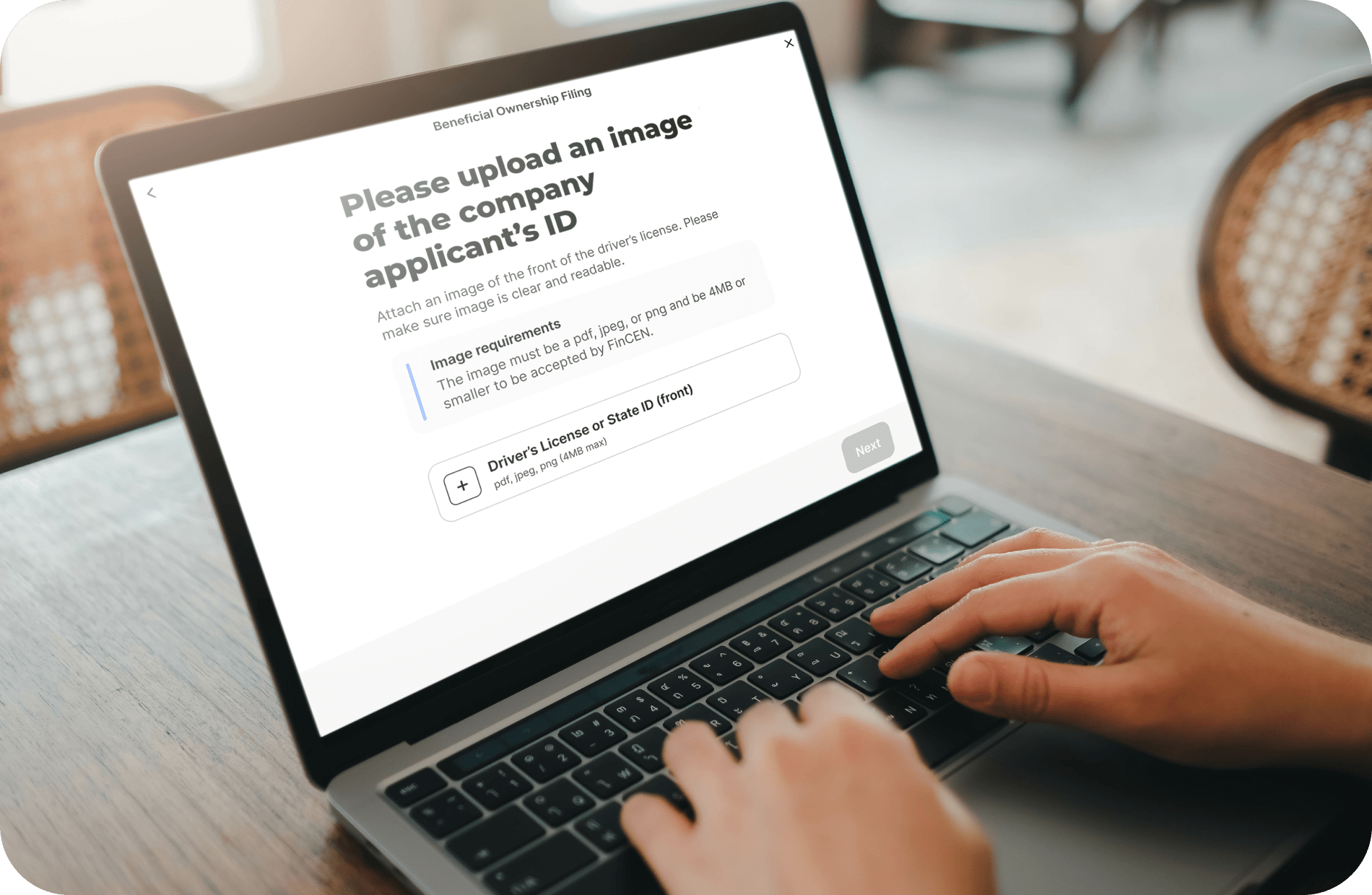
Florissant, MO Business Owners: What Does the CTA, BOI and FinCEN Mean


The Corporate Transparency Act may require certain U.S. companies to disclose beneficial ownership information to FinCEN to combat financial crimes.

As of today, 12/06/2024, Florissant, MO business owners have 26 calendar days (or 19 business days) left to file their Beneficial Ownership Information (BOI) report with FinCEN.

1. Determine if Your Business Must File.

A ‘reporting company’ is any small business, corporation, or LLC that is registered with the state, unless exempt. Exemptions apply to publicly traded companies, banks, and charities. For example, a local bakery in Florissant, MO would likely need to file a BOI report.

2. Identify Your Beneficial Owners.

A ‘beneficial owner’ is someone who either has substantial control over a company or owns at least 25% of it. This can include decision-makers, managing partners, or co-owners with significant stakes. For example, the owner of a candle shop in Florissant who has the final say in all major business operations and holds 40% of the company’s shares qualifies as a beneficial owner.

3. Gather the Required Information.

Prepare:

  • Business name, address, and EIN.

  • Beneficial owners’ names, addresses, DOBs, and ID details.

4. File Your BOI Report.

Deadlines:

  • Existing businesses: File by 01/01/2025.

  • New companies (2024): File within 90 days of formation.

  • New companies (2025+): File within 30 days of formation.

ZenBusiness brings a simple and efficient approach to BOI reporting, providing businesses with accurate guidance to comply with FinCEN requirements.

Penalties for Non-Compliance:

While a Texas federal district court’s preliminary injunction puts this requirement on hold, many experts expect that to be overturned. In that event, failure to file may lead to fines of $500 per day, up to a maximum of $10,000, and possible criminal penalties. FinCEN provides a 90-day safe harbor period for corrections without penalties.

ZenBusiness’s BOI compliance assistance allows businesses to avoid any of the headaches involved in waiting. 

Additional Resources:

We want to hear from you!

We value your feedback! Please complete our BOI survey by December 18, 2024, and for every 25 responses, our Chamber will receive a $100 donation! Take the survey here! Your participation is greatly appreciated!

As of December 3, 2024, a Texas federal district court has issued a preliminary injunction for all states to block the CTA and its relevant regulations. However, filing your BOI will help you avoid fines if this injunction is overruled.

 
Contact Information
phone: (512) 765-4985
Before the Cash Runs Out: Building a Financial Safety Net for Your North County Business

Cash flow problems are the leading cause of small business failure. That's a striking number, but here's what it tells you: most of those failures weren't inevitable. They were the result of running out of runway before a problem got resolved. For North County business owners, a financial safety net isn't about bracing for catastrophe — it's about staying operational long enough to capitalize on everything you've already built.

How Much Cash Reserve Does Your Business Actually Need?

Cash reserves are liquid funds set aside specifically to cover operating expenses during a shortfall — held separately from your day-to-day operating account and not touched for normal expenses.

The right target depends on how predictable your revenue is:

If you run a stable, year-round business: Hold 3 to 6 months of operating expenses in reserve. If your revenue fluctuates seasonally or with economic cycles: Aim for 9 to 12 months — a substantially larger cushion for businesses where a single slow stretch can erase a profitable quarter. If you're starting from zero: Set aside 10% of monthly revenue until you reach your target. The habit matters more than the size of the first transfer.

In practice: Open a dedicated savings account for your reserves immediately — funds sitting in the operating account will be spent.

Profitable Doesn't Mean Protected

If your business is turning a profit, it's natural to feel financially secure. Revenue is coming in, the numbers look solid, and a cash crisis feels like something that happens to other people.

The problem is that profitability and cash flow are two entirely different things. In the Federal Reserve's latest small business credit survey, more than half of employer firms cited uneven cash flows or difficulty paying operating expenses as key financial challenges — even among businesses that weren't in trouble by conventional measures. A business can be profitable on paper and insolvent in practice when receivables lag behind payables.

Understand your cash flow cycle: the timing gap between when money leaves your account (payroll, rent, suppliers) and when it arrives (client payments, sales). That gap is where well-run businesses get into trouble. Track it monthly, or weekly during volatile stretches.

Bottom line: The business that monitors cash flow weekly survives a slow quarter; the one that only reviews its P&L quarterly may not.

Get a Line of Credit Before You Need One

A business line of credit is a revolving credit facility — you draw what you need, repay it, and the funds become available again. Unlike a term loan, you only pay interest on what you've actually drawn.

The mistake most business owners make is applying after a crisis has already hit. By then, revenue is down and creditworthiness is at its weakest. Many small businesses that apply for financing don’t receive the full amount requested — most commonly because of low credit scores, excessive existing debt, or weak sales. Those are conditions that worsen precisely when you need capital most.

Apply during a strong quarter, when your financials speak for themselves. A line you never draw on costs almost nothing. When something goes sideways, it's invaluable.

In practice: Set a calendar reminder to review your financing options during your next strong revenue month — not after a difficult one forces the conversation.

The Tax Assumption That Creates a Spring Crisis

You know taxes are due in April. What catches more business owners off guard than it should: the payment shouldn't wait until April.

The IRS requires quarterly estimated payments from self-employed individuals and small business owners who expect to owe $1,000 or more — covering income tax, self-employment tax, and other applicable taxes. Missing quarterly deadlines triggers penalties even when you're ultimately owed a refund at filing. The bill doesn't disappear; the calendar just adds a surcharge.

Budget quarterly estimated taxes as a fixed operating expense. A simple approach: set aside 25–30% of net income each month into a dedicated tax account. When the quarterly deadline arrives, the payment is already waiting.

Recurring Revenue, Insurance, and Business Structure

Three protective layers that are routinely postponed — and shouldn't be:

  • Recurring revenue models — retainers, subscriptions, maintenance contracts — stabilize cash flow by making income predictable. Even one or two anchor clients on recurring agreements smooths the feast-or-famine cycle and makes planning easier.

  • Business insurance protects against a single event that can wipe out a reserve fund overnight. General liability coverage is a minimum. A slip-and-fall claim, property damage, or a data breach can generate six-figure losses that no cash reserve was designed to absorb.

  • Business structure determines what's at risk when things go wrong. An LLC or S-corp separates personal assets from business liabilities. If you're currently a sole proprietor signing personal guarantees on leases or loans, your personal finances are exposed if the business fails. Review existing agreements with an attorney before signing anything new.

Keep Your Financial Records Ready to Use

A safety net isn't only cash — it's also information. When a lender, advisor, or attorney needs documentation, organized and accessible records are the difference between acting quickly and scrambling. Contracts, lease agreements, insurance policies, and financial statements should be consolidated and easy to retrieve.

Keeping related documents in a single file — rather than scattered across versions — cuts real time when you're under pressure. If you ever need to trim a document or reorganize a multi-section PDF, see this online tool to delete pages from any browser, with no software installation required. Well-organized records are a practical asset, especially when a decision needs to move fast.

Your Next Step Starts Here

North County's business community is one of the most connected in the St. Louis region, and that connectivity is a genuine advantage when things get difficult. The Greater North County Chamber of Commerce runs leads groups and monthly luncheons where members share referrals, resources, and — practically — the kind of peer insight that doesn't appear in a spreadsheet. Start with one concrete action this week: open a dedicated reserve account and set a recurring transfer for 10% of next month's revenue. The first deposit is the hardest; everything after that is momentum.

Frequently Asked Questions

What if I already missed a quarterly estimated tax payment this year?

You can still limit the damage by catching up with the next scheduled payment. The IRS calculates underpayment penalties based on how long each payment was overdue, so partial recovery matters. Talk to a CPA as soon as possible — the sooner you catch up, the smaller the exposure.

Acting now is better than waiting for April.

Does a business line of credit affect my personal credit?

It depends on whether your lender requires a personal guarantee. Many small business lines of credit — especially for newer businesses — do require one, which means the account may appear on your personal credit report and a default would affect your personal score. Ask specifically whether a personal guarantee is required before you sign.

If a personal guarantee is required, treat the line of credit as a personal financial obligation, not just a business one.

How do I cut costs quickly without damaging long-term revenue?

Start with variable expenses that don't affect customer-facing operations: non-essential subscriptions, discretionary vendor services, and deferred low-priority maintenance. Avoid cutting marketing entirely — revenue generation is what funds recovery. Build a written cost-cut scenario before you need it; decisions made under financial pressure are rarely your best ones.

Knowing your cuts in advance removes the emotion from the decision.

Can I count on an SBA loan as my emergency backup plan?

SBA-guaranteed loans are a legitimate financing option — they're available even to businesses with imperfect credit — but they're not a reliable emergency tool. Approval and funding take time, and lenders still evaluate your financials at the point of application. An SBA loan can supplement your safety net, but it shouldn't replace the cash reserve you build before you need it.

Use SBA financing for planned investments, not as a substitute for cash reserves.

 
Contact Information
Building Strategy From the Ground Up: Leveraging Local Market Insight

Local insights are the compass every business should learn to read. They point to where opportunity lives, where risk hides, and how to navigate competitive terrain that can change by neighborhood or ZIP code. The challenge isn’t gathering data—it’s translating it into strategy.

Key Takeaways

  • Identify local trends before competitors by combining public data with community-level signals.

  • Translate raw findings into actionable frameworks: pricing, positioning, and partnership strategy.

  • Integrate behavioral and spending insights to tailor offers, messaging, and service models.

  • Build iterative feedback loops—local data should shape operations continuously, not occasionally.

  • Empower teams to act on insights by embedding them into decision dashboards and daily workflows.

Seeing the Signals: What Local Markets Reveal

Local data doesn’t just show “where customers live.” It shows how and why they buy. Public records, social chatter, and regional demand patterns reveal preference clusters. A restaurant chain, for instance, may discover lunch-hour spikes in one district but evening surges in another, an insight that reshapes staffing, promotions, and even menu design.

Before diving into numbers, define the questions: Who are we serving here? What do they spend on? What friction slows them down? Asking these first prevents analysis paralysis.

Core Strategic Levers from Local Insight

Once insight turns into clarity, the next step is alignment—connecting data to choices.

  • Market Fit: Match offerings to unmet local needs. Test variants of your product or service against distinct community pain points.

  • Channel Focus: Invest where locals actually spend time. For a rural audience, that might be radio or WhatsApp groups; for urban professionals, search and quick-delivery apps.

  • Partnership Mapping: Spot complementary businesses serving the same geography but different needs. Joint offers often outperform solo ad spend.

  • Micro-Pricing: Small pricing tweaks by region or timing—dynamic lunch discounts, subscription tiers by city size—drive both fairness and efficiency.

Each insight becomes a lever, and together they form a strategic flywheel.

How-To Framework for Turning Insight Into Strategy

Use the following framework to ensure that local data turns into daily action.

  1. Gather Contextual Data: Blend government, platform, and first-party analytics into a unified local dashboard.

  2. Define the Signal You’re After: Is the question growth, loyalty, or margin? Data without intent is noise.

  3. Map Patterns to Actions: Turn metrics into hypotheses—“Foot traffic is down because lunch options expanded nearby.”

  4. Test Small, Scale Fast: Run quick pilots before committing budget.

  5. Translate Learning into Playbooks: Document what worked and make it repeatable.

  6. Review Quarterly: Markets shift; feedback loops keep you aligned.

When PDFs Hold the Answers but Hide Them

Many market reports and economic surveys live as sprawling PDF files—hundreds of pages of dense tables and charts. Navigating them can eat hours. Check this out: With AI-driven tools, you can interact directly with these documents, asking practical questions like which customer segments are growing fastest or how local spending habits changed since last year. It turns static files into conversational insight engines, letting you pull strategy-ready answers in minutes instead of afternoons.

Local Insight Table

The table below summarizes how different data types translate into actionable moves.

Data Type

Example Source

Strategic Use

Typical Decision Outcome

Demographic trends

Census, city open data

Identify underserved segments

Adjust product-market fit

Retail footfall

Mobile location data

Measure demand hotspots

Choose next store site

Social sentiment

Local forums, reviews

Detect satisfaction gaps

Prioritize service fixes

Transaction data

POS systems

Reveal spending patterns

Redefine pricing tiers

This snapshot clarifies that not all data carries equal weight—but each connects to a concrete decision lever.

Diagnostic Checklist: From Insight to Execution

Before declaring an initiative “data-driven,” confirm these checkpoints:

  • Insights are recent (less than six months old).

  • Each key finding links to a specific owner or team.

  • Success metrics are defined before implementation.

  • Dashboards visualize progress geographically.

  • A feedback cadence exists—monthly or faster.

Missing any of these means the loop between learning and doing is still open.

FAQ: Turning Insight Into Action

Below are questions executives and marketing teams ask once local insights start flowing.

1. How do I prioritize which insights to act on first?
Rank findings by both impact and feasibility. Start with signals that directly influence revenue or customer retention. Quick wins validate your data pipeline and fund deeper analytics later.

2. What’s the best way to combine quantitative and qualitative data?
Pair metrics with human context. Numbers show what changed; interviews and reviews explain why. A balanced view prevents overreacting to statistical noise.

3. How often should we update our local strategies?
At least quarterly, but micro-adjust monthly. Economic shifts, competitor campaigns, or seasonal trends can rewrite the playbook overnight. Continual recalibration beats yearly overhauls.

4. Can small businesses really afford sophisticated local analytics?
Yes. Many free or low-cost tools—local search dashboards, community surveys, AI-assisted PDF readers—deliver 80% of the value without enterprise spend. Start lightweight; scale insight depth as ROI appears.

5. How do we make sure insights reach frontline teams?
Translate findings into task-level language. Replace “average basket value up 6%” with “upsell one add-on per customer.” When insights speak the operator’s language, adoption soars.

6. What if local data contradicts national strategy?
Treat the conflict as signal, not noise. Test both views in controlled pilots. Often, local behavior predicts national shifts before headquarters sees them.

Conclusion

Turning local market insights into strategy isn’t about collecting more data—it’s about creating motion. The moment a metric shapes a menu, a staffing schedule, or a pricing tweak, information becomes advantage. Organizations that close the gap between local discovery and strategic action don’t just react to change—they lead it.

 
Contact Information
Shielding Your Small Business: A No-Nonsense Guide to Preventing and Recovering from Fraud and Data Breaches

In today’s world, running a small business isn’t just about balancing the books and keeping customers happy. You also have to fend off invisible threats—fraudsters, cybercriminals, and data breaches that can dismantle years of hard work in a matter of minutes. While big corporations grab headlines when they fall victim, small businesses are just as vulnerable, if not more. Many don’t have the deep pockets or dedicated IT teams to bounce back quickly. That’s why prevention and recovery strategies aren’t optional—they’re essential. The good news? With a little foresight and a solid plan, you can protect your business and minimize damage if the worst happens.

Know Your Weak Spots Before They’re Exploited

Think of fraud prevention like home security. You wouldn’t leave your front door wide open at night, and the same logic applies to your business. The first step is understanding where your vulnerabilities are. Weak passwords, outdated software, and unchecked employee access can all be entry points for bad actors. Conducting a cybersecurity audit—whether you do it yourself or bring in an expert—can reveal gaps you didn’t even know existed. The goal here isn’t paranoia; it’s awareness. Once you know where you’re exposed, you can start fortifying the right areas.

Train Your Team to Spot the Red Flags

No matter how strong your security measures are, human error remains the biggest risk. Employees clicking on phishing emails, falling for social engineering tricks, or mishandling customer data can unintentionally open the floodgates. Regular training sessions can turn your team into a first line of defense rather than a weak link. Make it a habit to test them with simulated scams and teach them to recognize suspicious activity. Fraudsters are getting smarter, but so can your staff. When security becomes second nature, your entire business becomes harder to crack.

Secure Document Sharing Without the Hassle

When sending sensitive documents to employees or customers, you need a system that prioritizes both security and convenience. Encrypting files, using secure cloud storage with permission settings, or relying on email services with end-to-end encryption can prevent unauthorized access. PDFs are a great option since they allow users to protect files with additional lines of security, such as passwords, ensuring only the intended recipient can open them. If file size is an issue, you can use a free online tool to compress a PDF file to help you out, making it easier to send while maintaining document quality and image clarity.

Lock Down Your Financials Like Fort Knox

If there’s money involved, fraud isn’t far behind. Whether it’s internal embezzlement, stolen credit card data, or fake invoices, financial fraud can take many forms. One of the easiest ways to prevent it is by setting up strict checks and balances. Require dual approvals for large transactions, reconcile accounts frequently, and limit access to sensitive financial information. Automating these processes with accounting software that flags anomalies can also make a huge difference. You work hard for your revenue—don’t let it slip away due to avoidable lapses in oversight.

Have a Recovery Plan Before You Need One

Let’s be real—sometimes, despite your best efforts, fraud or a data breach will happen. The difference between bouncing back and going under often comes down to your response time. Having a clear incident response plan in place is crucial. This means knowing who to call, how to secure your systems, and how to communicate with customers and stakeholders. A well-documented plan ensures you’re not scrambling in a crisis. Because in those first critical hours, a slow or chaotic response can make things even worse.

Rebuilding Trust After a Breach

Damage control doesn’t end with fixing the technical issue. If customer data was compromised, you’ll need to address the fallout head-on. Transparency is key—people appreciate honesty over vague corporate speak. Let them know what happened, what you’re doing to prevent it from recurring, and how they can protect themselves. Offering credit monitoring services or identity theft protection can go a long way in restoring confidence. Trust, once lost, is hard to regain. But if you handle it right, customers may respect you even more for taking responsibility.

If there’s one takeaway here, it’s this: preventing fraud and data breaches is always cheaper than recovering from them. Investing in security measures, training, and contingency planning might seem like an added cost, but it’s nothing compared to the financial and reputational damage of an attack. Small businesses might not have the same resources as Fortune 500 companies, but that doesn’t mean they have to be easy targets. Prioritizing security today means protecting your business, your customers, and your future. And in an age where cyber threats are only growing, that’s not just smart—it’s survival.


Discover the vibrant community of North County and unlock new business opportunities by visiting the Greater North County Chamber of Commerce today!
Contact Information
What Every Entrepreneur Needs to Know About Cybersecurity Before It’s Too Late

Starting a business can feel like chasing a dream, but nothing brings that dream crashing down faster than a security breach. It’s easy to assume hackers are only going after banks or billion-dollar companies, but the truth is small businesses and startups are just as vulnerable. Often more so. If you’re building something from the ground up, you can’t afford to let cyber threats slip off your radar.

You're Not Too Small to Be a Target
A lot of new entrepreneurs make the mistake of thinking no one’s coming for them. Hackers love that kind of thinking because it means you haven’t done much to protect yourself. Small businesses and solopreneurs are attractive targets because they usually lack robust defenses. Even a single compromised email can lead to stolen data, hijacked finances or worse, a total shutdown of operations while you scramble to recover.

Practical Habits That Keep Hackers Out
The small, everyday choices you make with your data can be the difference between safety and chaos. Something as simple as using password-protected PDFs for invoices, contracts or financial records adds a solid layer of defense against snoops and intruders. If you’re juggling dozens of files, using a tool to merge PDF documents can simplify how you manage them while reducing the chances of misplacing something sensitive. Once you combine them, being able to move PDF pages into a logical order also means you’ll spend less time digging and more time focused on running your business.

Passwords Are the Front Door, Stop Leaving It Unlocked
You’d be amazed how many companies still rely on “admin123” or “password” to protect sensitive systems. Weak or reused passwords are the easiest way in for a bad actor, and once they’re inside, it doesn’t take long to cause damage. Invest in a password manager, use multi-factor authentication and get serious about access control. Your systems should never be easier to log into than your streaming service.

Phishing Emails Are Getting Smarter, and So Should You
Gone are the days when a scam email was full of typos and came from a prince asking for money. Now, phishing emails look like messages from your bank, your vendor, even your coworkers. One wrong click can install malware or give away login credentials. Train your team to spot red flags, and always verify suspicious emails with a phone call or a separate message, not by replying to the email itself.

Don’t Sleep on Software Updates
If you keep hitting “remind me later” every time your computer wants to install updates, you’re inviting trouble. Those updates exist for a reason, and many of them patch vulnerabilities that hackers already know how to exploit. Delaying them, even by a week, can expose your business to risk. Schedule regular maintenance windows and make updates part of your monthly routine, not an afterthought.

Cloud Doesn’t Mean Secure by Default
A lot of entrepreneurs hear “cloud storage” and assume it’s bulletproof. It isn’t. Cloud services come with their own vulnerabilities, and while major providers do offer strong protections, your configuration matters. Set permissions carefully, monitor who’s accessing what and don’t just rely on default settings. The cloud is powerful, but only if you know how to use it without leaving the door wide open.

Data Hygiene Is Not Just for Compliance, It's for Survival
You may not think of your data practices as a priority, but the way you store, organize and access your data has real consequences. If you're holding onto old client records, sensitive information or financials without a clear retention policy, you're increasing the blast radius of any potential breach. Clean up your digital clutter, encrypt what matters and keep backups in multiple secure locations. Not because some regulation says you have to, but because your business can’t afford the chaos that follows a messy breach.

It’s About Resilience, Not Just Defense
No one can promise complete immunity from cyberattacks. The goal isn’t perfection, it’s preparation. Having a plan in place for what happens when something goes wrong is just as important as keeping threats out. Practice incident response drills, know who to call and make sure your business can get back on its feet quickly when the unexpected happens. In cybersecurity, resilience beats fear every time.


Running a business is hard enough without someone hijacking your website or draining your bank account. Cybersecurity isn’t a buzzword, it’s part of the job now, whether you like it or not. The sooner you bake it into the foundation of your business, the less likely you’ll be blindsided down the road. It’s not just about protecting your data, it’s about protecting your vision, your team and everything you’ve worked so hard to build.

Discover the vibrant community of North County with the Greater North County Chamber and unlock opportunities to grow your business through networking, events, and more!
Contact Information
Your Market Is Changing. Is Your Research Keeping Up?

Scaling your market research means building a systematic process that grows alongside your business — not a one-time survey you file away and forget. In the St. Louis metro, where the economy spans healthcare, life sciences, advanced manufacturing, and agribusiness, North County businesses face a wide range of customer segments and competitive pressures that can shift quickly. 57% of small employer firms cited reaching customers and growing sales as their top operational challenge in 2024 — up from 53% the prior year. That figure is a signal: a good product alone doesn't win markets. You need ongoing intelligence about who your customers are and what they want next.

Why Market Research Creates a Competitive Edge

Small businesses make up 99.9% of all U.S. firms and employ 45.9% of the U.S. workforce — about 59 million people — which means competition is dense, and the businesses that win are typically the ones with better information.

At its core, market research answers three questions: Who are your customers? What do they actually need? Where are competitors falling short? A business that revisits those questions quarterly makes smarter decisions on pricing, products, and marketing than one that relies on gut instinct and two-year-old data.

Bottom line: Formal research isn't a corporate formality — it's the mechanism that keeps your assumptions honest.

Build It In-House or Bring in Help?

One of the first decisions every business owner faces is whether to conduct research themselves or bring in outside support. The honest answer is it depends on what you're trying to learn.

According to the SBA, you can plan research using free government data for broad questions like industry trends and demographics, or go direct to consumers for specific insights — though direct research "can be time consuming and expensive." That's the core trade-off.

Research Type

Best For

Cost

Speed

Secondary (existing data)

Industry trends, demographics, market size

Low to free

Fast

DIY primary (surveys, interviews)

Customer preferences, pricing reactions

Low to moderate

Moderate

Outsourced research

Complex segmentation, competitive mapping

Higher

Faster

SBDC-assisted

Retail gap analysis, demographic deep dives

Free (with SBDC advising)

Moderate

If you're already working with a local SBDC advisor, you may be sitting on a resource you haven't tapped. Small business owners can access no-cost customized research reports covering demographics, consumer expenditures, competitor mapping, and retail opportunity gap analyses — all funded in part by the U.S. SBA.

Who Are You Actually Selling To?

Identifying your target market — the specific group of customers most likely to buy from you — is the foundation of any research effort. Without it, you risk asking the wrong questions to the wrong people.

Work through these questions before building a survey or scheduling a focus group:

If you're a B2C business: Start with zip code-level demographics around your location. Who lives there? What's their household size and income range?

If you're B2B: Look at your existing client list. What industries cluster there? North County's mix of manufacturing, healthcare, and service businesses means your ideal client profile might look very different from a company two miles south.

If you've never done this before: Start with your last 20 customers and ask what they have in common.

Getting Real Answers from Real Customers

Primary research is data you collect directly, and it's where most businesses underinvest. The two most practical tools are surveys and focus groups.

Surveys work best for quantifiable feedback: ratings, rankings, and yes/no responses. Keep them short — 5 to 8 questions — and test them with a colleague before sending. Incentivizing participants with a discount, drawing entry, or small gift card significantly improves response rates without skewing results, as long as the reward doesn't favor a particular answer.

Focus groups are better for open-ended discovery. A group of 6 to 8 customers discussing a new product idea or service gap will surface insights no multiple-choice survey can reach. Chamber events like Morning Mingle or a Leads Group meeting are natural settings for informal versions of this.

In practice: One well-run focus group with eight of your best customers will reveal more about actual buying behavior than a 200-response survey will.

What Your Competitors Are Telling the Market

A competitive analysis maps what competitors offer, how they price, who they target, and where they fall short. You don't need a research firm to run one — you need a consistent habit.

Consider a staffing agency in the North County region losing mid-size manufacturing clients to a competitor. A structured audit of the competitor's website, reviews, and LinkedIn activity reveals they've begun bundling on-site HR consulting with their placements — something the agency's own clients have been requesting. The research didn't require a consultant. It required looking.

Review your top three competitors quarterly: their website, pricing signals, online reviews, and any press coverage. Pay close attention to what customers complain about in reviews — that's where your opportunity lives.

Turning Research Into Decisions Your Team Can Use

Research creates value only when it's shared. A simple distribution process makes the difference between insights that shift strategy and findings that sit in a folder.

  • Summarize key takeaways in a one-page brief after each research cycle

  • Hold a short team review (30 minutes is enough for most findings)

  • Update your product or service roadmap based on what you learn

When sharing research across teams, PDFs maintain formatting integrity, prevent accidental edits, and display consistently on every device. If you're tabulating market research results in Excel, you can click here to convert your file to a PDF using Adobe Acrobat's free online converter. Adobe Acrobat is a file conversion tool that lets you turn Excel spreadsheets into shareable PDFs instantly, without downloading software.

Building a formal research rhythm pays off: businesses with a structured marketing plan are far more likely to report success — 87% report successful outcomes versus just 13% without one — and AI-adopting businesses are 5.7 times more likely to report marketing success. Formalizing even a simple quarterly research process is what separates reactive businesses from adaptive ones.

Keep Growing with North County's Network

The Greater North County Chamber of Commerce has been helping local businesses grow for over 60 years — and that network is one of your most underused research assets. Other chamber members share your market, your geography, and often your customer base. Regular conversations at Membership Luncheons or Off The Clock events are informal intelligence-gathering that no survey can fully replace.

Start with one business question you want to answer in the next 90 days. Choose the right method — a customer survey, competitive audit, or a no-cost SBDC report. Share what you learn with your team. Then build from there.

Frequently Asked Questions

What's the difference between primary and secondary research?

Secondary research uses existing sources — government reports, industry studies, competitor websites — and is fast and low cost. Primary research is data you collect directly through surveys, interviews, or focus groups, and gives you specific answers your business can act on immediately. Most businesses benefit from starting with secondary data to set context, then layering in primary research to answer specific questions. Use secondary research to frame the problem; use primary research to solve it.

How often should I actually update my market research?

A practical rhythm for most small businesses: competitive audit quarterly, customer survey twice a year, full target market review annually. If you launch a new product, open a new location, or notice a significant sales drop, that's a trigger for an unscheduled research sprint — don't wait for the calendar. Treating research as a scheduled operating task, not a reaction to problems, is what keeps your assumptions current.

What if customers just tell me what I think I want to hear?

This is called social desirability bias, and it's more common than most business owners realize. To reduce it: use anonymous surveys for sensitive topics like pricing or complaints, recruit participants who don't already have a personal relationship with you, and ask behavioral questions ("What did you do last time you needed X?") rather than hypothetical ones ("Would you buy X?"). Past behavior predicts future behavior far more reliably than stated intent does.

Do I need a big customer list to run a useful survey?

No — a small, well-targeted list beats a large unfocused one. Even 20 to 30 responses from your actual customers can surface clear patterns in preferences, pain points, and unmet needs. The key is that respondents genuinely reflect your target market. A meaningful sample is better than a large random one.

 
Contact Information
Your Storefront Is Your First Salesperson — Here's How to Deploy It Well

The most persuasive moment in retail often happens before anyone says a word. Effective window displays and exterior signage shape whether passersby stop, enter, and buy — according to SignageTube's 2025 retail guide, window displays influence most entry decisions, affecting 68% of choices to walk through the door. For the independent retailers and neighborhood businesses that anchor North County's commercial corridors in Florissant and across St. Louis County, that means your storefront is either selling for you or losing customers before they ever come inside.

The Sign You Have Might Be Underperforming

Here's an assumption that's easy to hold: your sign is a locator, not a sales tool. Customers who want your product will find you; the sign just confirms the address. That logic feels solid until you look at what updating it actually does to your numbers.

According to a report co-sponsored by the U.S. Small Business Administration and the Signage Foundation for Communication Excellence, businesses that add an electronic message display see measurable revenue gains of 15% to 150%. That's not a brand awareness metric — it's revenue tied directly to exterior visibility.

A static or outdated sign isn't neutral. Updating it is one of the few display investments with documented, recurring returns.

Bottom line: Exterior signage upgrades typically pay for themselves faster than interior display changes because they convert passersby who never planned to stop.

What Good Visual Merchandising Actually Does

Visual merchandising — designing your displays, product placement, and retail environment to influence purchasing behavior — compounds across the entire customer visit. It determines how many people enter, how long they stay, and how much they spend.

Industry research compiled by Contra Vision shows that well-designed displays drive more foot traffic — window treatments alone boost it by 23% — and increase time spent in-store by 20%, with products placed at eye level 82% more likely to be purchased. The time extension matters: according to POPAI, over 70% of purchasing decisions happen in-store at the point of sale, and 62% of shoppers make impulse purchases when drawn to an appealing display.

A well-executed display doesn't just attract customers. It extends their visit and changes what ends up in their cart.

The Assumption That's Quietly Costing You Sales

You might figure a shopper who walked in for something specific won't be put off by a busy floor plan — they have intent, and they'll push through. This trips up more business owners than you'd expect.

According to Simply Business, a 2019 report found that 64% of shoppers have departed without purchasing because of a direct revenue issue: a cluttered or poorly maintained retail space. Aesthetics and operations aren't separate — visual clutter directly suppresses conversions.

The practical shift: clear the display before you redesign it. Visibility does more work than arrangement.

In practice: A cluttered baseline makes every other display investment less effective — fix the floor plan before adding anything new.

A Storefront Audit Before You Invest

Before spending on new fixtures, signage, or digital screens, run through this checklist:

  • [ ] Exterior sign is clean, lit, and readable from 50+ feet away

  • [ ] Window display has one clear focal point — not a collection of everything

  • [ ] Key products sit at eye level (roughly 54"–65" from the floor)

  • [ ] Mannequins or lifestyle props are in use for apparel and lifestyle goods

  • [ ] Aisles and walkways are uncluttered with clear sightlines

  • [ ] Digital displays promote products farther in the store, not directly adjacent to the screen

  • [ ] Display theme has been refreshed in the past 90 days

Designing Before You Commit

One friction point that keeps display updates from happening is the effort required to test an idea. Rearranging a floor plan is a half-day project. Committing to a window treatment before you know whether the concept works is a real risk.

Generative AI tools remove that friction. You type a description — a product grouping, a seasonal color palette, a full window layout concept — and the tool generates visual mockups you can evaluate before moving a single fixture. Adobe Firefly is a generative AI design tool that helps users produce professional-quality visuals; reading about the 3 benefits of generative AI explains why small business owners with no design background are using it to iterate on display ideas faster than traditional methods allow.

Prototype the concept first. Build it once. Skip the half-finished pivots that come from committing too early.

Putting It Together for North County Retailers

The best display improvements in any neighborhood usually come from peer exchange — someone in a similar retail category who already solved the problem you're looking at. Greater North County Chamber members across Florissant and the surrounding area are navigating these same decisions, and events like Business After Hours, Morning Mingle, and Leads Groups are built for exactly this kind of practical knowledge-sharing. If you're rethinking your exterior signage, your window treatment, or your in-store layout, the chamber's next gathering is a direct line to business owners who've worked through these issues in this specific market.

Frequently Asked Questions

Does this advice apply to service businesses, not just retailers?

Yes. Service-based businesses with a physical location — a salon, a tax office, a staffing agency — benefit from clear exterior signage and a well-organized entrance area. The clutter finding applies anywhere a customer forms a first impression before a conversation starts. Cleanliness and legibility signal professionalism regardless of what you sell.

What if my location has limited street visibility, like a strip mall set back from the road?

In low-visibility locations, exterior signage carries even more weight — especially an electronic message display readable from the road or parking lot. Interior merchandising also becomes proportionally more important because the storefront can't do the pre-entry selling. Invest in what's visible from the street first, then optimize the interior layout.

How often should I actually update my window display?

At minimum, seasonally — four times a year aligned to key retail periods. High-traffic retailers often update monthly. A stale window signals to repeat passersby that nothing has changed inside, and removes any reason to stop. Regular updates tell the neighborhood you have something new worth seeing.

Is digital signage worth the investment for a single-location small shop?

The SBA-co-sponsored research linking 15%–150% revenue gains was tied specifically to adding an electronic message display. Hardware costs have dropped considerably as the technology has matured, and an electronic display earns its keep every day without new materials or labor. For any business with consistent vehicle or foot traffic passing by, the long-run economics typically justify the upfront cost.
Contact Information
It pays to be a Chamber Member - Receive $10 off your delivery service!
"We get what you need, delivered Qwik"
It pays to be a Chamber member in 2026 - $10.00 off your Same Day Service
Same Day Delivery for Chamber Members just got much faster with Qwik Route Local Delivery Services!
Get documents, parcels, ecommerce orders, you name it, get them delivered the fastest with Qwik Route on-demand courier delivery services. We satisfy more customers and we beat traditional delivery windows promised by "Other dashers" by guaranteeing the fastest local delivery service in St Louis.
Choose it to be delivered your way, the fastest most reliable way, with Qwik Route.
Schedule your member delivery NOW

Call us anytime:
          314.485.7338 or 314.485.7256
Email:
                           info@qwikroutellc.com
TEXT or IMessage:
    314.485.7338
**Check out this Bonus, it gets even better! Refer a non-member for service and receive and additional $10.00 off your next delivery service** 
Contact Information
phone: (314) 485-7338
Offer Valid: January 1, 2026December 31, 2026
Greater North County Chamber of Commerce
